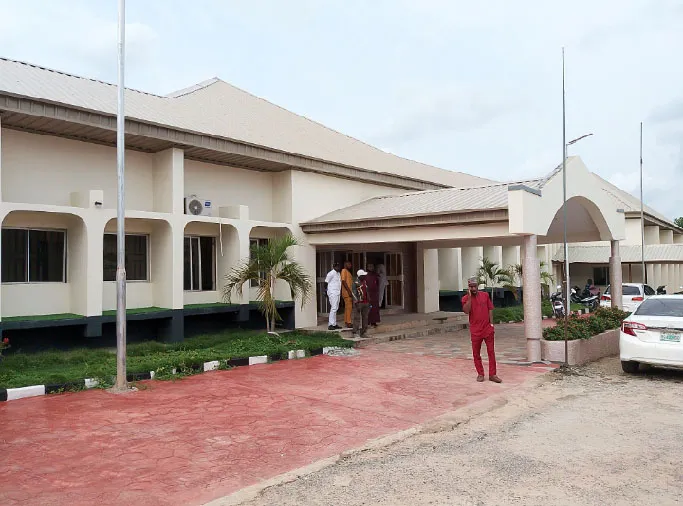
Gwagwalada is one of the most prominent satellite towns within the Federal Capital Territory (FCT), Abuja. Located southwest of the Abuja city centre, Gwagwalada plays a vital role in the social, educational, administrative, and cultural structure of the FCT. Over the years, it has evolved from a traditional settlement into a busy urban district that connects Abuja to several parts of Niger, Kogi, and Nasarawa States.
We present a comprehensive overview of Gwagwalada, Abuja, covering its location, history, infrastructure, lifestyle, economy, education, healthcare, and general living environment.
Where Is Gwagwalada Located?
Gwagwalada is situated approximately 45–55 kilometres from Abuja’s Central Business District, along the Abuja–Lokoja Expressway. It is one of the six area councils that make up the Federal Capital Territory, alongside Abuja Municipal Area Council (AMAC), Bwari, Kuje, Abaji, and Kwali.
Its strategic location makes it a major gateway between the FCT and Nigeria’s North Central and Southern regions.
Brief History of Gwagwalada
Before becoming part of the Federal Capital Territory, Gwagwalada was an independent town inhabited mainly by the Gbagyi (Gwari) people, the indigenous ethnic group of much of present-day Abuja.
When Abuja was designated Nigeria’s capital in 1976, Gwagwalada became one of the key settlements incorporated into the FCT. Since then, it has grown steadily due to government presence, population movement, and infrastructure development.
Administrative Importance
Gwagwalada serves as:
- The headquarters of Gwagwalada Area Council
- A major administrative and institutional hub outside Abuja city
The presence of government offices, public institutions, and civil service facilities has contributed significantly to its growth and relevance within the FCT.
Transportation and Accessibility
Road Network
Gwagwalada is well connected by:
- Abuja–Lokoja Expressway
- Major internal roads linking neighbouring communities such as Zuba, Dobi, Paiko axis, and parts of Kuje
Road access makes commuting to Abuja city possible, though travel time varies depending on traffic and time of day.
Public Transport
Common transport options include:
- Buses and minibuses (locally known as “peace mass” or private operators)
- Taxis and ride-hailing services
- Motorcycles and tricycles for short distances
Education and Institutions
One of Gwagwalada’s defining features is its strong educational presence.
Major Institutions
- University of Abuja (Main Campus) – one of Nigeria’s federal universities
- Federal Government colleges and secondary schools
- Numerous private primary and secondary schools
The student population contributes to the town’s youthful energy, commerce, and cultural diversity.
Healthcare Facilities
Gwagwalada is home to one of the most important medical institutions in the FCT:
- University of Abuja Teaching Hospital (UATH) – a major referral hospital serving Abuja and neighbouring states
In addition, the area hosts:
- General hospitals
- Private clinics
- Pharmacies and diagnostic centres
This makes Gwagwalada a key healthcare destination within the region.
Economy and Daily Life
Commercial Activities
Economic activity in Gwagwalada is driven by:
- Retail markets and shopping clusters
- Small and medium-scale businesses
- Education-related services
- Transportation and logistics
Local markets sell foodstuffs, clothing, household items, and agricultural produce sourced from nearby towns and states.
Employment
Residents are engaged in:
- Civil service
- Education and healthcare
- Trading and small businesses
- Transport and artisan work
Lifestyle and Living Environment
Gwagwalada offers a blend of urban and semi-rural living. While it is busier and more developed than many satellite towns, it remains less congested than central Abuja districts.
Lifestyle Characteristics
- Active day-to-day commercial life
- Strong community ties
- Mix of students, families, workers, and traders
- Lower overall cost of living compared to central Abuja
The town is known for being practical and functional rather than luxury-focused.
Culture and Social Life
The cultural identity of Gwagwalada is influenced by:
- Indigenous Gbagyi traditions
- Diverse Nigerian ethnic groups due to migration
- Student-driven social activities
Religious centres, social gatherings, markets, and festivals form a central part of community life.
Infrastructure and Utilities
Electricity
Power supply is generally available but can be inconsistent, similar to other parts of the FCT. Many homes and businesses rely on generators and inverters.
Water
Water is sourced through:
- Boreholes
- Public water supply in some areas
Telecommunications
Major mobile networks provide good coverage, and mobile internet services are widely used.
Security and Safety
Gwagwalada has:
- Police stations and security posts
- Community-based security efforts
Like most urban areas, safety levels vary by neighbourhood and time of day, but it is generally considered stable and active, especially in central areas.
Nearby Areas and Connectivity
Gwagwalada connects easily to:
- Zuba – a major transport and commercial hub
- Kuje
- Abaji
- Parts of Niger State
This connectivity enhances its importance as a transit and residential location within the FCT.
Why Gwagwalada Matters in Abuja
Gwagwalada plays a unique role in Abuja’s structure:
- It supports Abuja’s population overflow
- Hosts major federal institutions
- Acts as a bridge between the capital and surrounding states
- Provides affordable living and functional urban services
It is not just a satellite town, but a key pillar of the FCT’s development framework.
Gwagwalada, Abuja, is a dynamic and essential part of the Federal Capital Territory. With its strong educational institutions, healthcare facilities, commercial activity, and strategic location, it continues to grow in relevance and population.
For students, workers, families, and businesses, Gwagwalada offers a practical environment that balances accessibility, community life, and urban convenience—making it one of Abuja’s most important area councils beyond the city centre.
Property Listings in Gwagwalada
House Listingss | Land Listings | Rental Houses | Flats Rentals
Image Credit: Gwagwalada Area Council