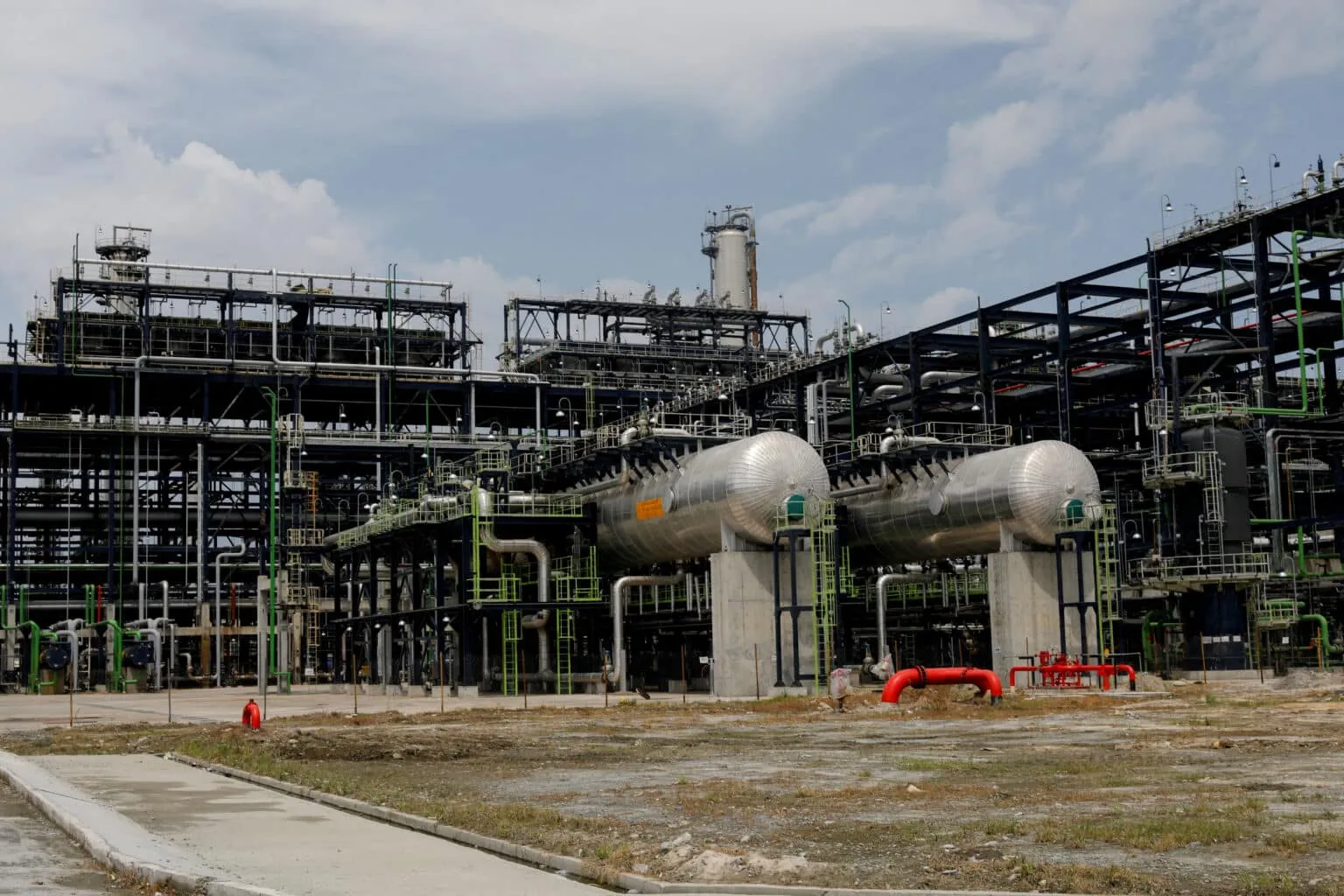
The Dangote IPO has become one of the biggest business and investment stories in Nigeria in 2026. Since the public offer for shares in Dangote Petroleum Refinery and Petrochemicals FZE opened on September 14, Nigerians have been talking about the offer across the stock market, financial sector and social media.
The reason for the attention is straightforward: this is not an ordinary share offering. The Dangote Refinery IPO is expected to be one of the largest initial public offerings in Africa and gives members of the public an opportunity to become shareholders in one of the most significant industrial projects in Nigeria.
The offer involves 4.1 billion ordinary shares at ₦525 per share, potentially raising about ₦2.15 trillion if fully subscribed. The minimum subscription is 10 shares, costing ₦5,250. The offer opened on September 14 and is scheduled to close on October 13, 2026.
So, why is the Dangote IPO all in the news?
What Is the Dangote IPO?
The Dangote IPO is the public offering of shares in Dangote Petroleum Refinery and Petrochemicals FZE, the company behind the massive refinery located in the Lekki area of Lagos.
An IPO, or Initial Public Offering, is the process through which a company offers shares to investors publicly for the first time. Investors who receive shares become shareholders in the company.
The Dangote Refinery offer is particularly significant because it gives retail investors access to a company that has previously been privately held.
The Nigerian Exchange Group said the Dangote Refinery IPO is the first time a petroleum refinery has been offered to investors on the Nigerian stock market in the Exchange’s 66-year history.
That alone makes the transaction unusual in Nigeria’s capital market.
How Much Is the Dangote IPO Worth?
The public offer consists of 4.1 billion shares priced at ₦525 each.
If all the shares offered are subscribed, the company could raise approximately ₦2.15 trillion.
At the minimum subscription level, an investor can apply for 10 shares, meaning the minimum amount is ₦5,250. The official IPO website confirms that the offer opened on September 14, 2026, and is scheduled to close on October 13, 2026.
The size of the transaction is one of the main reasons the Dangote IPO has attracted so much attention.
It is not simply another company joining the Nigerian Exchange. The transaction has the potential to become a major event for the Nigerian capital market.
Why Is the Dangote Refinery IPO So Important?
The Dangote Refinery is one of the largest industrial investments ever made in Nigeria.
The refinery has a stated processing capacity of 700,000 barrels of crude oil per day, while an expansion is planned that could eventually increase capacity to 1.4 million barrels per day.
Its development has also changed the conversation around Nigeria’s dependence on imported refined petroleum products.
For decades, Nigeria has produced crude oil but relied heavily on imported refined petroleum products. The Dangote Refinery was built partly around the idea of processing crude domestically and supplying petroleum products to Nigeria and other markets.
That means investors are not simply looking at another listed company. They are looking at a refinery that has become closely associated with Nigeria’s energy and industrial ambitions.
The IPO Is Being Called the “People’s IPO”
Another reason the Dangote IPO is receiving so much publicity is the way it has been presented to the public.
Aliko Dangote has described the offering as a “people’s IPO”, highlighting the opportunity for ordinary Nigerians to own shares in the refinery.
The relatively low minimum subscription of 10 shares has also helped make the offer accessible to smaller investors. At ₦525 per share, 10 shares cost ₦5,250 before applicable charges.
However, accessibility does not mean that investing is risk-free.
The official IPO website specifically warns that investing in shares carries risk and that the value of an investment can rise or fall. It also advises prospective investors to read the prospectus and seek professional advice where necessary.
What Is the Dangote IPO Money Being Used For?
The IPO is also attracting attention because of what Dangote plans to do with the capital raised.
The company has said the funds will support the refinery’s expansion and broader growth plans.
Reports on the transaction indicate that the expansion is expected to increase the refinery’s capacity significantly. Dangote has also discussed wider plans for refining capacity and projects outside Nigeria.
This makes the IPO more than a fundraising exercise. It is also connected to the company’s longer-term expansion strategy.
For investors, that means the prospectus is particularly important because it contains the detailed information about the offer, the company, its finances, risks and intended use of funds.
Why Are Nigerians Paying So Much Attention to the IPO?
There are several reasons.
1. The size of the offer
A potential ₦2.15 trillion capital raise is enormous by Nigerian standards. The transaction has immediately become one of the most important events in the country’s capital market.
2. The Dangote name
Dangote is one of Nigeria’s best-known business groups, with major interests across industries including cement, sugar and other areas of manufacturing.
That familiarity has naturally contributed to public interest in the refinery IPO.
3. The refinery’s size
The refinery is a major industrial facility with a capacity of 700,000 barrels per day. Its operations have implications for fuel supply, exports, foreign exchange and Nigeria’s wider energy sector.
4. The low minimum investment
The minimum application of 10 shares means an investor can apply for the offer from ₦5,250, before applicable charges.
That is considerably different from an investment opportunity requiring millions of naira and is one reason the offer has generated interest among smaller retail investors.
5. The IPO could bring new investors into the stock market
The transaction is also being watched for its potential effect on participation in Nigeria’s capital market.
The Financial Times reported that the offering could attract Nigerians who have never previously invested in shares, while the Nigerian Exchange has highlighted the scale of the transaction for the country’s capital market.
When Does the Dangote IPO Close?
The Dangote Refinery IPO opened on September 14, 2026.
According to the official IPO website, the offer is scheduled to close on October 13, 2026.
The shares are being offered at ₦525 each, with a minimum subscription of 10 shares.
The company is expected to proceed toward a listing on the Nigerian Exchange after the offer period. Current reports have indicated a November listing target.
How Can Investors Apply for the Dangote IPO?
Anyone considering the offer should use only the officially approved subscription channels.
This is particularly important because the Securities and Exchange Commission previously warned about unauthorised Dangote IPO promotions and subsequently advised investors to use only officially designated and approved receiving agents and subscription channels.
The official Dangote IPO website also warns investors not to provide sensitive information such as PINs, passwords or OTPs to anyone claiming to process the investment.
Investors should therefore verify the broker, bank, investment platform or other receiving agent before sending money or personal information.
The SEC has also advised prospective investors to read the approved prospectus carefully and understand the terms, conditions and risks associated with the offer.
Is the Dangote IPO Guaranteed to Make Money?
No investment in shares comes with a guaranteed return.
The fact that the Dangote IPO has attracted significant public attention does not mean that every investor will make a profit. After a company becomes publicly traded, the market price of its shares can move above or below the offer price.
The official IPO website explicitly states that the value of an investment can fall as well as rise and that investors may not get back the amount invested.
That distinction is important because much of the public discussion around the IPO focuses on its size, the refinery and the Dangote brand.
Those factors explain the interest in the offer, but they do not eliminate investment risk.
What Makes the Dangote IPO Different?
The Dangote IPO brings together several major developments in one transaction.
It involves one of Africa’s largest refineries, one of Nigeria’s most prominent business groups, a potential ₦2.15 trillion capital raise and the public listing of a major petroleum business.
It also arrives at a time when Nigeria is seeking greater domestic refining capacity and deeper participation in its capital markets.
For that reason, the IPO is being watched not only by individual investors but also by financial institutions, businesses, regulators and international observers.
The Dangote IPO is all in the news because it combines scale, public participation and the importance of the Dangote Refinery to Nigeria’s economy.
The offer involves 4.1 billion shares at ₦525 each, with the potential to raise approximately ₦2.15 trillion. Retail investors can apply for as few as 10 shares, while the offer remains open until October 13, 2026.
Beyond the numbers, the IPO represents a significant moment for Nigeria’s capital market. It gives the public an opportunity to become shareholders in a major petroleum refining business and could introduce new investors to the Nigerian Exchange.
At the same time, prospective investors should distinguish between the excitement surrounding the IPO and the actual risks of buying shares. The approved prospectus, official IPO information and SEC-approved subscription channels should be the primary sources of information before making any investment decision.
With the offer now open, the Dangote Refinery IPO is likely to remain one of Nigeria’s biggest financial and business stories through the October subscription period and the expected listing process that follows.